January 8, 2026
Why curved desks are becoming the go-to choice for modern home offices
Curved desks are no longer a niche option reserved for design-led interiors. They are increasingly being chosen for practical reasons
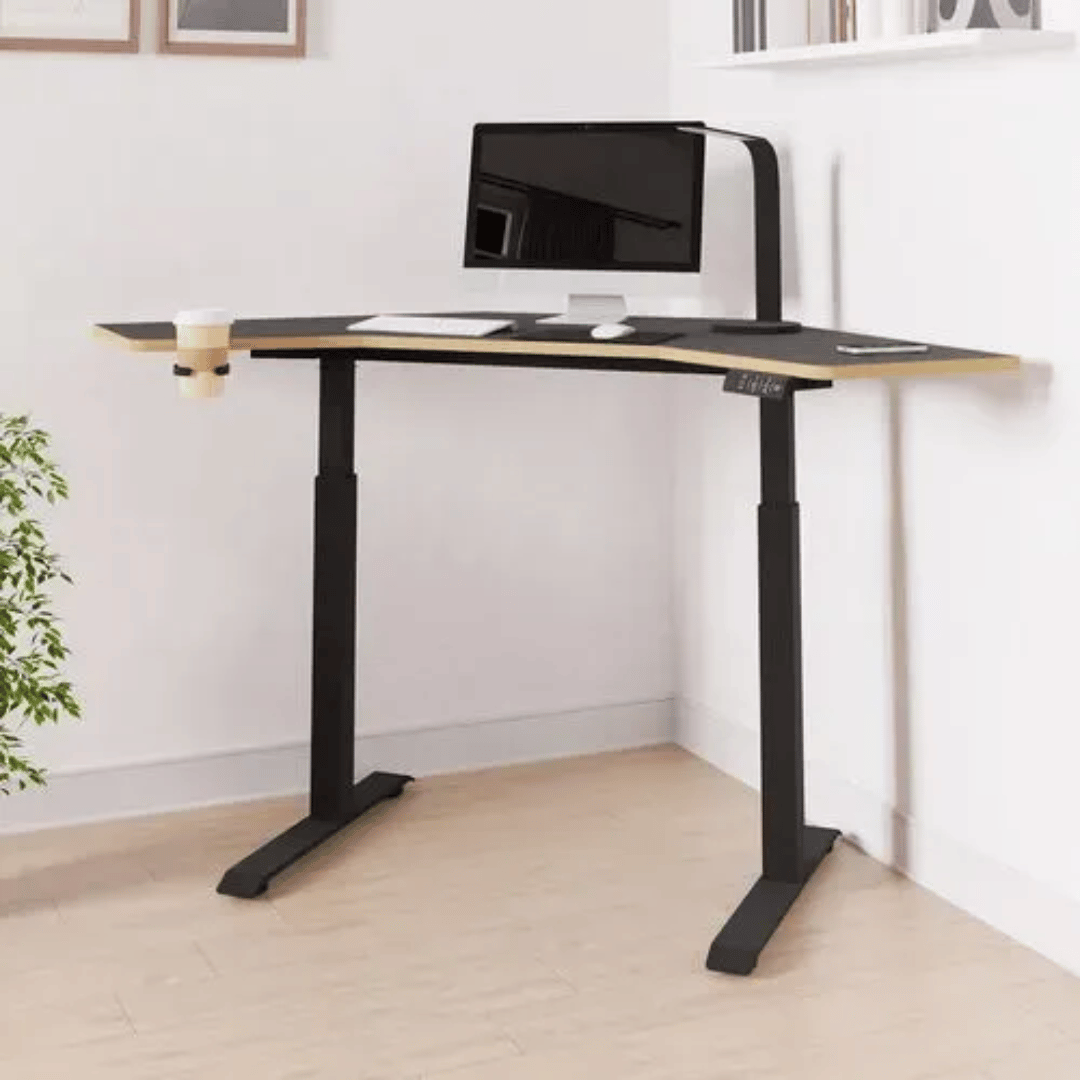
One of the biggest conversations in furniture right now centres on physical strain caused by static desk setups. People are spending more time seated, moving less, and working longer hours at home than ever before.
Straight desks, while familiar, tend to encourage wider layouts. Over time, this can lead to repeated reaching, uneven posture, and unnecessary tension in the shoulders and arms.
A curved desk approaches the problem differently. By bringing the working edge inward, it keeps screens and accessories closer to the body, supporting a more natural working position throughout the day.
Curved desks are designed around the user rather than the room layout. The inward curve helps centre the working position, reducing the need to lean forward or shift sideways to reach essential equipment.
This design supports:
For people spending most of their day at a desk, these small adjustments can make extended working hours more comfortable.
Modern home offices often rely on more than one screen. Laptops paired with external monitors, or full dual-screen setups, have become common across many roles.
A curved desk allows screens to sit within a gentle arc, making it easier to position them directly in front of the user. This reduces the need to turn the head or body repeatedly, which can help limit fatigue during screen-heavy tasks.
As multi-screen setups become standard, curved desk layouts are increasingly seen as a practical solution rather than a design preference.
Another reason curved desks are gaining popularity is how they sit within a room. Even when the surface area is similar to a straight desk, the softened front edge reduces visual bulk.
In smaller home offices or shared living areas, this can make a curved desk feel more balanced and less dominant. The result is a desk that fits more naturally into the space without sacrificing usable surface area.
Furniture brands are placing more emphasis on long-term comfort as home offices shift from temporary setups to permanent features of the home. Curved desks fit well within this movement because they support posture without relying on complex adjustments or accessories.
Rather than forcing the user to adapt to the desk, the shape works with natural movement and reach, which aligns with the broader push towards more thoughtful, body-aware furniture design.
Curved desks tend to suit people who:
As these needs become more common, curved desks are moving from specialist products to everyday home office essentials.
The rise of the curved desk reflects a wider change in how furniture is being designed for home working. Comfort, posture, and ease of use are becoming just as important as appearance.
For many people, desk shape is no longer an afterthought. As working habits continue to evolve, curved desks are likely to remain a key part of modern home office design, offering a more considered approach to long-term desk use.
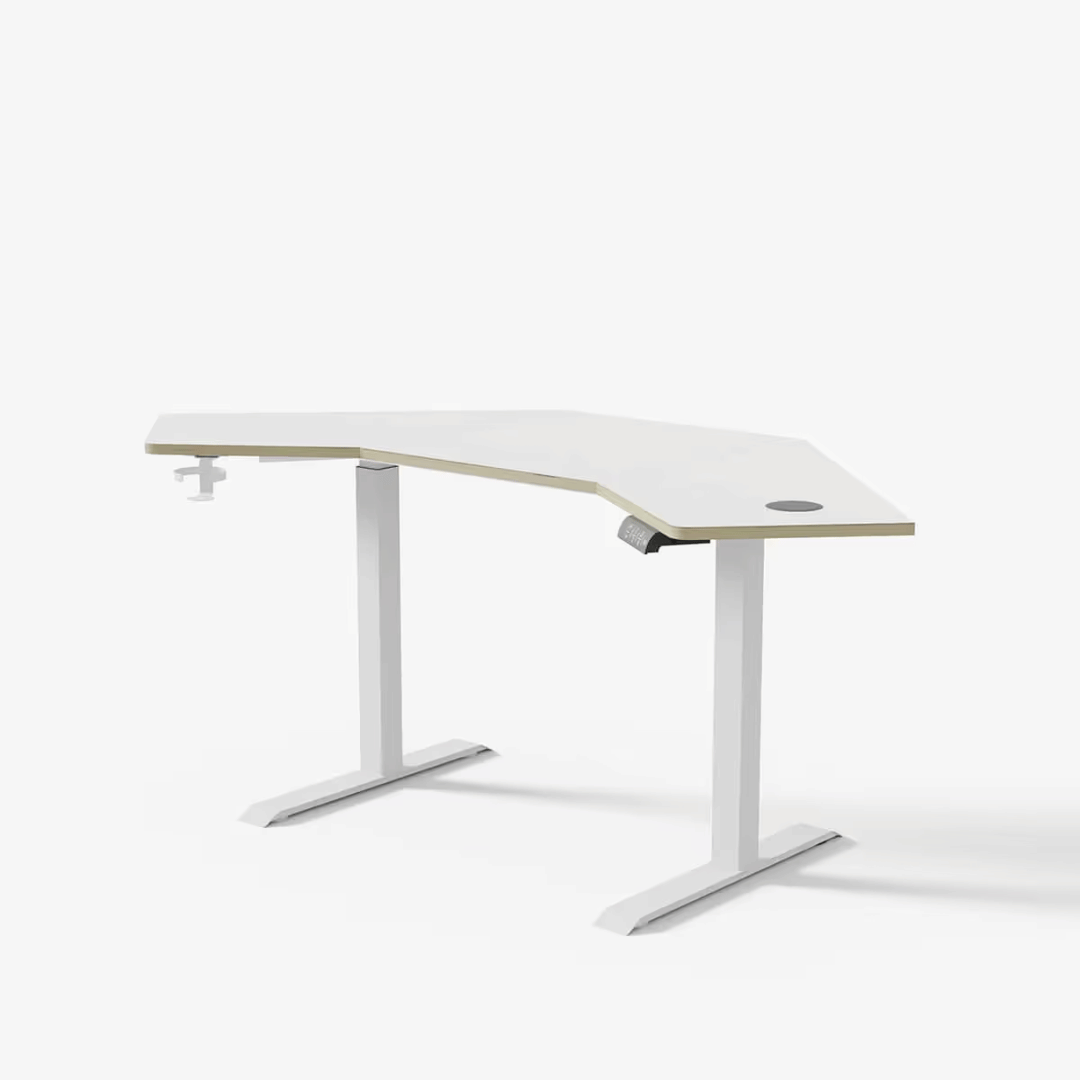
They can - with proper planning you can place dual monitors across the curve, or mount arms where the curve transitions to flat edges for stability.
Yes - curved desks can fit compact rooms by hugging walls and corners while offering usable surface area without bulky footprints.
A curved desk gives you a wraparound surface that reduces reach, improves ergonomics, and makes efficient use of corner or wall space while maintaining a sleek appearance.
Switch to your sitting preset, slide in your chair, move unrelated items out of reach, activate a timer (e.g. 25 minutes), silence notifications, then when the timer ends, stand, stretch, and reset.
If you spend more than 4 hours a day at your desk (which, let’s be honest, most of us do), they’re one of the best investments you can make for health, focus, and long-term comfort.