January 12, 2026
Smart desks and long-term health: what buyers care about in 2026
Smart desks have been around long enough for the novelty to wear off. In 2026, UK buyers are no longer impressed by a spec list or a flashy control panel.
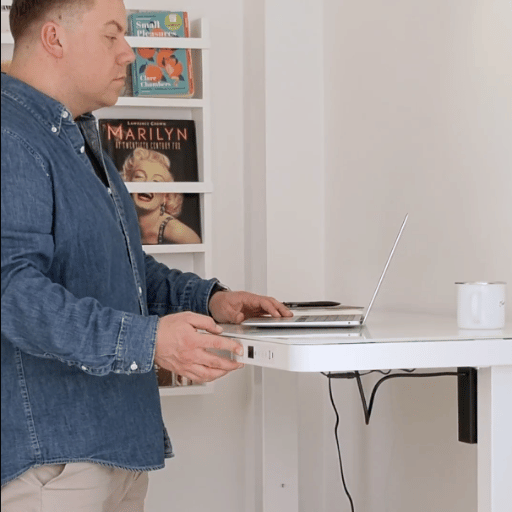
Smart desks have been around long enough for the novelty to wear off. In 2026, UK buyers are no longer impressed by a spec list or a flashy control panel. They’re asking more grounded questions.
Will this desk still feel good to use in a few years?
Will it help me move more during the day?
Will it fit into my home without turning it into a tech showroom?
The shift is subtle but important. Smart desks are no longer being bought as productivity tools. They’re being bought as long-term health decisions.
Here’s what buyers genuinely care about now, and why it’s reshaping the smart furniture market.
Posture used to dominate the conversation. Straight backs, perfect monitor height, textbook ergonomics. While posture still matters, buyers have realised something more realistic.
The real problem is staying still for too long.
In 2026, people understand that no “perfect position” exists if you’re locked into it for hours. Sitting all day causes issues. Standing all day causes different ones. The solution sits in the middle.
What buyers want is a desk that makes changing position easy and frequent.
That means:
If a desk makes movement feel like effort, it won’t get used properly. If it removes friction, people move without thinking. That’s where the health benefits quietly stack up.
UK buyers have become more sceptical, and frankly, wiser.
They’ve been burned by products that looked impressive online but felt flimsy after a few months. So now they think long term.
Questions buyers ask before purchasing:
Build quality has become a health issue. A desk that rattles, sticks, or feels unreliable creates tension. A desk that feels dependable encourages regular use and adjustment.
The most trusted smart desks in 2026 aren’t the most complex. They’re the ones that quietly do their job, every day, without fuss.
This is one of the biggest shifts.
Working from home is no longer temporary for many people. That has changed how buyers think about their space and how it affects their head, not just their back.
Buyers are linking their desk choice to:
A smart desk becomes part of a daily rhythm. Sitting to focus. Standing to reset. Lowering the desk at the end of the day as a subtle signal that work is done.
This aligns with wider UK health messaging from organisations like the NHS, which increasingly connect prolonged sedentary behaviour with both physical strain and mental fatigue.
Furniture is no longer neutral. It influences how people feel.
This is one of those details buyers don’t always mention upfront, but care deeply about once they’ve lived with a desk.
Noise.
Homes are shared environments. Calls overlap. Kids nap. Early mornings and late evenings blur together. A loud, jerky desk quickly becomes annoying.
Buyers now look for:
A desk that moves silently feels considered. A noisy one feels intrusive. In 2026, silence is read as quality.
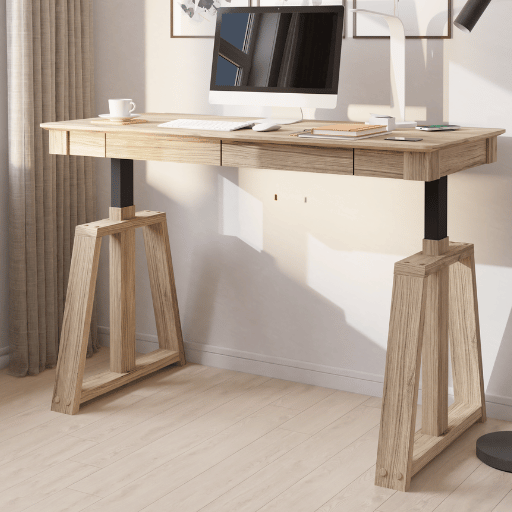
UK homes haven’t magically grown larger. Many people are working from spare rooms, bedrooms, or corners of living spaces.
This has pushed buyers towards desks that work with the room, not against it.
Curved and corner smart desks are growing in popularity because they:
Clutter is stressful. Poor layout leads to awkward posture. A desk that fits the room supports both physical comfort and mental calm.
Buyers increasingly see good space planning as part of their health setup, not just an interior choice.
Early smart desks leaned heavily into apps, connectivity, and integrations. Some of that has stuck. Much of it hasn’t.
Buyers in 2026 are selective.
They like:
They’re far less interested in:
The smartest desks feel intuitive. You shouldn’t need a manual to lower your desk.
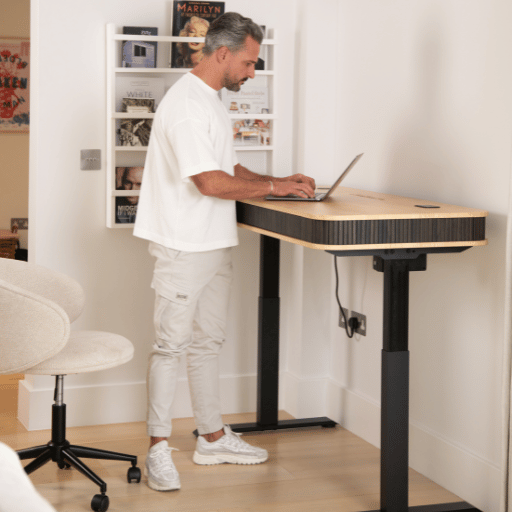
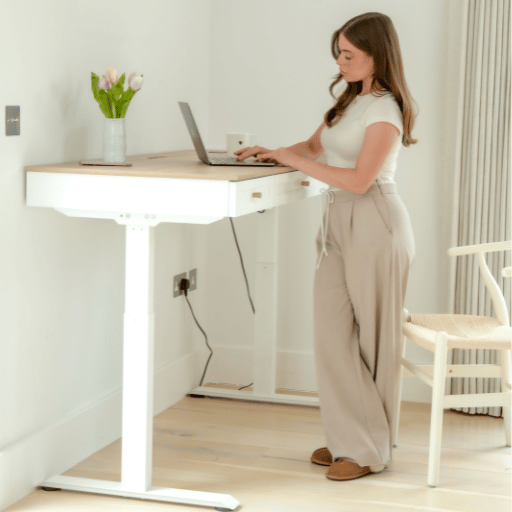
Sustainability still matters, but the conversation has shifted.
UK buyers are less impressed by recycled claims and more focused on longevity.
They want to know:
A desk that lasts longer is better for the environment and better for health. Replacing cheap furniture every couple of years creates waste, cost, and disruption.
Durability has become the most believable form of sustainability.
Health-led buyers are cautious. They don’t want miracle promises or exaggerated claims.
They respond to:
The brands gaining traction in 2026 are those that explain rather than shout. They treat buyers like adults who want to make informed decisions.
That approach builds confidence, which is essential when someone is investing in furniture they’ll use almost every day.
What ties all of this together is intent.
People aren’t buying smart desks on impulse anymore. They’re choosing them as part of a broader lifestyle setup that includes movement, focus, and comfort at home.
For UK buyers, the ideal smart desk:
The best desks don’t draw attention to themselves. They simply make the working day feel better, one adjustment at a time.
In 2026, smart desks aren’t about doing more. They’re about feeling better.
UK buyers care less about how clever a desk looks and more about how it supports them over years, not weeks. Movement, comfort, quiet operation, and thoughtful design now outweigh flashy features.
The smartest desks don’t promise transformation.
They quietly support healthier habits, and that’s exactly what buyers are looking for.
Absolutely. Many Koble desks feature smart controls, USB-C charging, and cable management - perfect for powering multiple devices and AI tools simultaneously.
If you spend more than 4 hours a day at your desk (which, let’s be honest, most of us do), they’re one of the best investments you can make for health, focus, and long-term comfort.
Definitely - many brands offer compact height-adjustable or electric desks designed for small spaces, combining ergonomics with a small footprint.
Dock your phone on the wireless charger, place your laptop on the “clean” side, then hit your first memory preset to stand. Spend a minute standing before you sit, and plan your day with a five-line list (three priorities, one admin task, one bonus).
Being designed in the UK means Koble’s products are tailored for UK homes and tastes; local support ensures faster, more relevant customer care and easier problem solving.